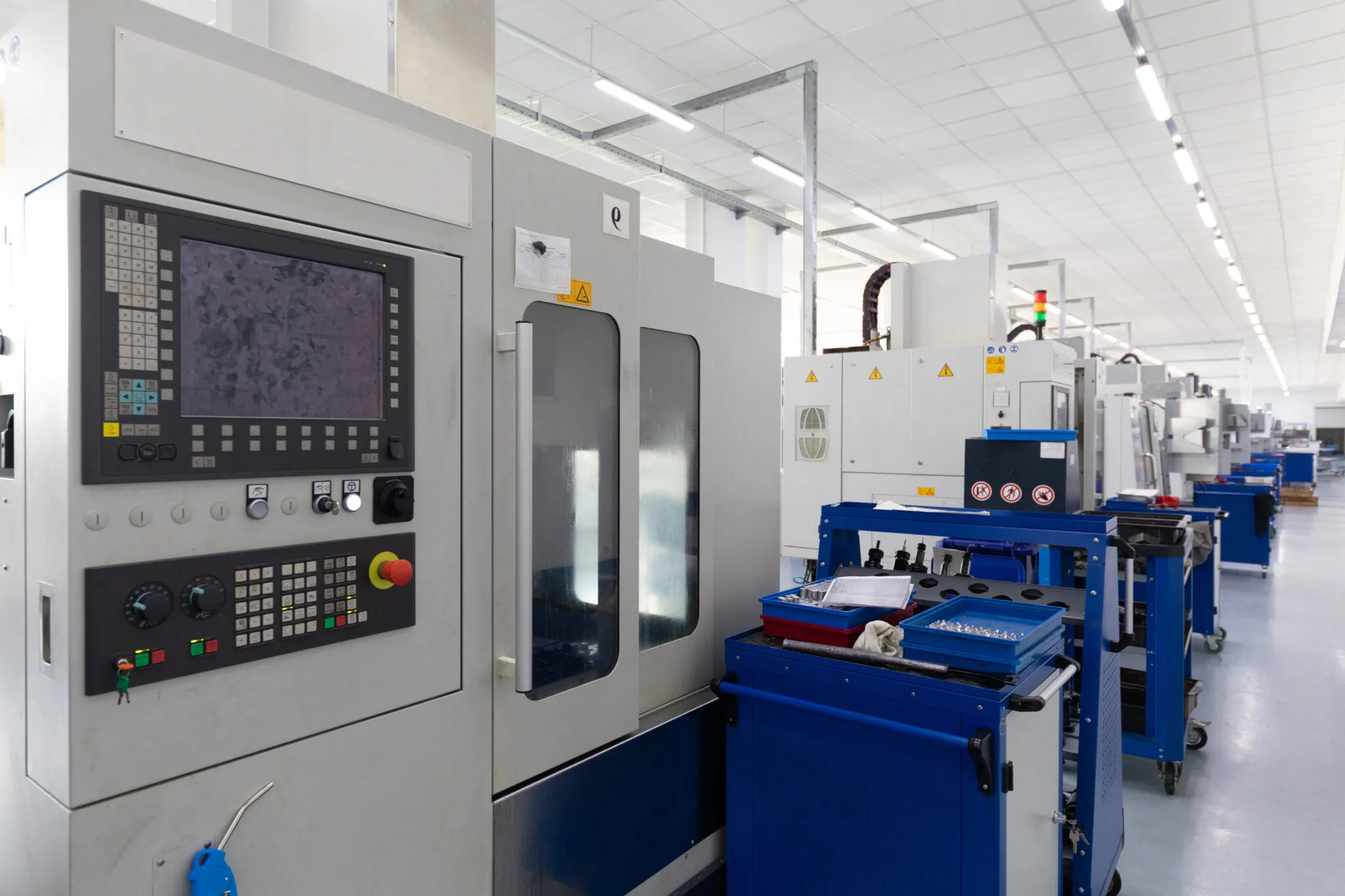

If you’ve ever wondered how airplanes stay safe at 35,000 feet or how medical implants fit perfectly inside the human body, the answer often comes down to one thing: precision machining. It’s not just a buzzword—it’s the backbone of modern manufacturing. Whether you’re in the industry or just curious, this guide will walk you through everything you need to know about precision machining, how it works, why it matters, and how it compares to traditional methods.
What is Precision Machining?
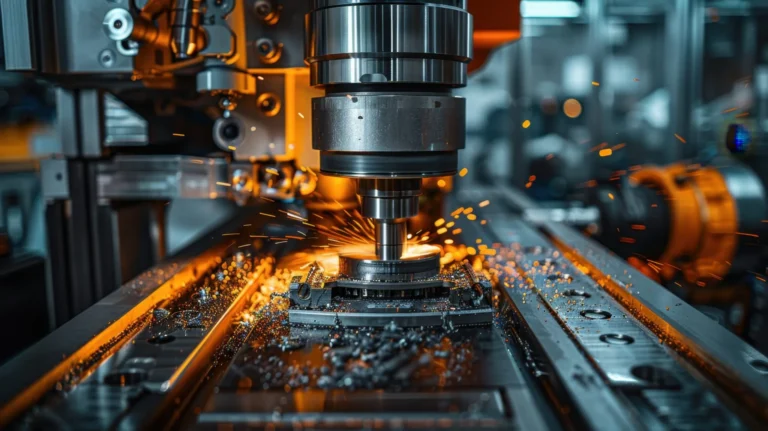
Precision machining is a manufacturing process that uses advanced, computer-controlled equipment—such as CNC (Computer Numerical Control) machines—to produce parts and components with extremely tight tolerances and exact specifications. It involves removing material from a workpiece through cutting, grinding, or drilling to achieve dimensions accurate to microns (0.001 mm or less). This high level of accuracy ensures consistency, repeatability, and superior surface finishes, making it essential for industries where safety, performance, and reliability are critical.
Think of it like this:
- Traditional manufacturing is like drawing a circle freehand.
- Precision machining is like using a compass and a laser cutter—you get a perfect circle every time.
What is Traditional Manufacturing?
Classic manufacturing processes like manual machining, casting and forging have been around for ages. These are generally based on the operator’s expertise to manipulate machines and tools which makes them less reliable and precise than contemporary precision machining methods.
Manual machining utilises hand wheels, levers and eye measurements to operate cutting tools, which can lead to inconsistencies in part dimensions, surface quality and overall conformity. Although conventional techniques can work well for low-volume and less complex jobs they tend to be unable to hold up the level of accuracy and consistency that’s required by high-performance and complex parts.
Key Differences Between Precision Machining and Traditional Manufacturing
The following table compares distinguishing features of precision machining and conventional manufacturing techniques. Knowing these differences helps in deciding which approach to use for unique manufacturing requirements.
| Feature | Precision Machining | Traditional Manufacturing |
| Control & Precision | Computer-driven, automatic; micron-level accuracy (0.0001 inches), consistent and repeatable. | Operator-dependent, manual control; less accurate, varies with skill. |
| Complexity & Speed | Processes complex designs rapidly; rapid, high-volume production with little setup. | Best for straightforward designs; slower to make because it requires manual setup and adjustments. |
| Material & Flexibility | Operates on a wide variety of materials, including metals, ceramics and plastics and is quick to reprogram to create custom parts. | Restricted to softer materials like aluminum and brass, adjustable but slower to program for custom parts. |
| Cost & Labor | Greater initial cost but lower cost per unit in volume; less labor skill required. | Lower initial expense but higher cost per unit; has skilled operators to set up and run. |
| Surface Finish & Efficiency | High-quality surface finishes with little extra work; less waste as a result of precision. | Coarser finishes with extra processes; higher scrap rate as a result of variability. |
Precision Machining vs Traditional Manufacturing
How Does Precision Machining Work?
So, how does precision machining actually happen? Think of it as a process that takes your idea and turns it into a perfectly engineered part—without the guesswork. It’s designed to help manufacturers achieve accuracy, consistency, and efficiency every single time.
Here’s how it works step by step:
Step 1: Design the Part
Everything starts with a digital blueprint. Engineers create a CAD (Computer-Aided Design) model that defines every detail of the part—dimensions, tolerances, and material specifications.
Step 2: Convert Design into Instructions
Next, the design is translated into machine language through programming. This tells the machine exactly what to do—how to cut, drill, and shape the material.
Step 3: Automated Machining
Once programmed, the precision machine takes over. It follows the instructions with pinpoint accuracy, cutting and shaping the material to match the design perfectly. No guesswork, no manual errors.
Step 4: Quality Check
Finally, advanced measuring tools verify that every part meets the exact specifications. This ensures repeatability and reliability, which is why industries like aerospace and medical trust precision machining for critical components.
Applications in Different Industries
Precision machining isn’t just for factories, it powers the world around us. Here’s where you’ll find it in action:
- Aerospace: Building jet engine components that can withstand extreme temperatures and stress.
- Medical: Crafting surgical instruments and implants that fit perfectly inside the human body.
- Oil & Gas: Producing high-strength parts that survive harsh drilling environments.
- Electronics: Creating tiny, intricate components for smartphones and advanced devices.
- Automotive: Manufacturing engine parts that boost performance and reliability on the road.
Benefits of Precision Machining
Why do manufacturers love precision machining? Because it solves problems that traditional methods simply can’t. Here’s a closer look:
1. Unmatched Accuracy
When safety and performance are non-negotiable, precision machining delivers.
- Example: In aerospace, a turbine blade must fit perfectly inside a jet engine. Even a fraction of a millimeter off can cause catastrophic failure. Precision machining ensures tolerances as tight as 0.0001 inches, guaranteeing reliability in extreme conditions.
- Why it matters: Accuracy prevents malfunctions, improves product lifespan, and ensures compliance with strict industry standards.
2. Cost Efficiency
Precision machining reduces waste and errors, saving money in the long run.
- Example: In medical device manufacturing, a single defective implant can cost thousands in rework and delays. Precision machining minimises scrap by producing parts right the first time.
- Why it matters: Less material waste, fewer defective parts, and reduced labor costs mean better margins for manufacturers.
3. Scalability
Need 10 parts today and 10,000 next month? Precision machining makes it possible.
- Example: Automotive companies often begin by creating prototypes for new engine components. Once approved, the same program can scale up production without additional setup time.
- Why it matters: Faster turnaround and easy scalability keep businesses competitive in fast-moving markets.
4. Customization
Every industry has unique needs, and precision machining adapts quickly.
Why it matters: Flexibility to handle specialized designs gives manufacturers an edge in industries like healthcare and aerospace
Example: A surgeon requests a custom orthopedic implant for a patient. Precision machining can modify the design and produce the part in days, not weeks.
How to Choose the Right Precision Machining Process
Not all precision machining methods are created equal. The right process depends on what you’re making and how you plan to use it. Here are the key factors to consider:
1. Material Type
Different materials require different approaches.
- Example: Hard metals like titanium or Inconel often need EDM (Electrical Discharge Machining) because traditional cutting tools wear out quickly.
- Softer metals or plastics? precision milling or turning works perfectly.
2. Design Complexity
Is your part simple or full of intricate details?
- Example: A basic cylindrical shaft can be made with turning machine, while a complex aerospace bracket with multiple angles and holes might need multi-axis milling or even laser machining for fine cuts.
3. Volume Requirements
How many parts do you need—and how fast?
For prototyping or custom one-off parts, processes like grinding or EDM might be more cost-effective.
Example: For high-volume production, precision machining is ideal because once the program is set, you can produce thousands of identical parts quickly.
Conclusion
Precision machining isn’t just a process—it’s the foundation of modern manufacturing excellence. When accuracy, reliability, and performance matter, precision machining is the clear choice. From aerospace components to medical implants, it ensures every part meets the highest standards.
At Accurate Edge, we don’t just machine parts—we deliver precision, consistency, and cost efficiency tailored to your needs. Whether you need custom prototypes or high-volume production, our advanced Precision machining services in the UAE are designed to help you stay ahead in a competitive market.
Frequently Asked Questions
Frequently Asked Questions
Q1: What is precision machining?
Precision machining is a manufacturing process that uses CNC technology to create parts with extremely tight tolerances and high accuracy, ensuring consistency and reliability.
Q2: Is precision machining better than traditional manufacturing?
Yes. Precision machining offers superior accuracy, repeatability, and efficiency compared to manual methods, making it ideal for complex and high-performance parts.
Q3: What industries use precision machining?
Industries like aerospace, medical, automotive, oil & gas, and electronics rely on precision machining for critical components that demand accuracy and durability.
Q4: What are the different types of precision machining?
Common types of CNC machining include milling, turning, grinding, EDM (Electrical Discharge Machining), and laser machining, each suited for specific materials and designs.