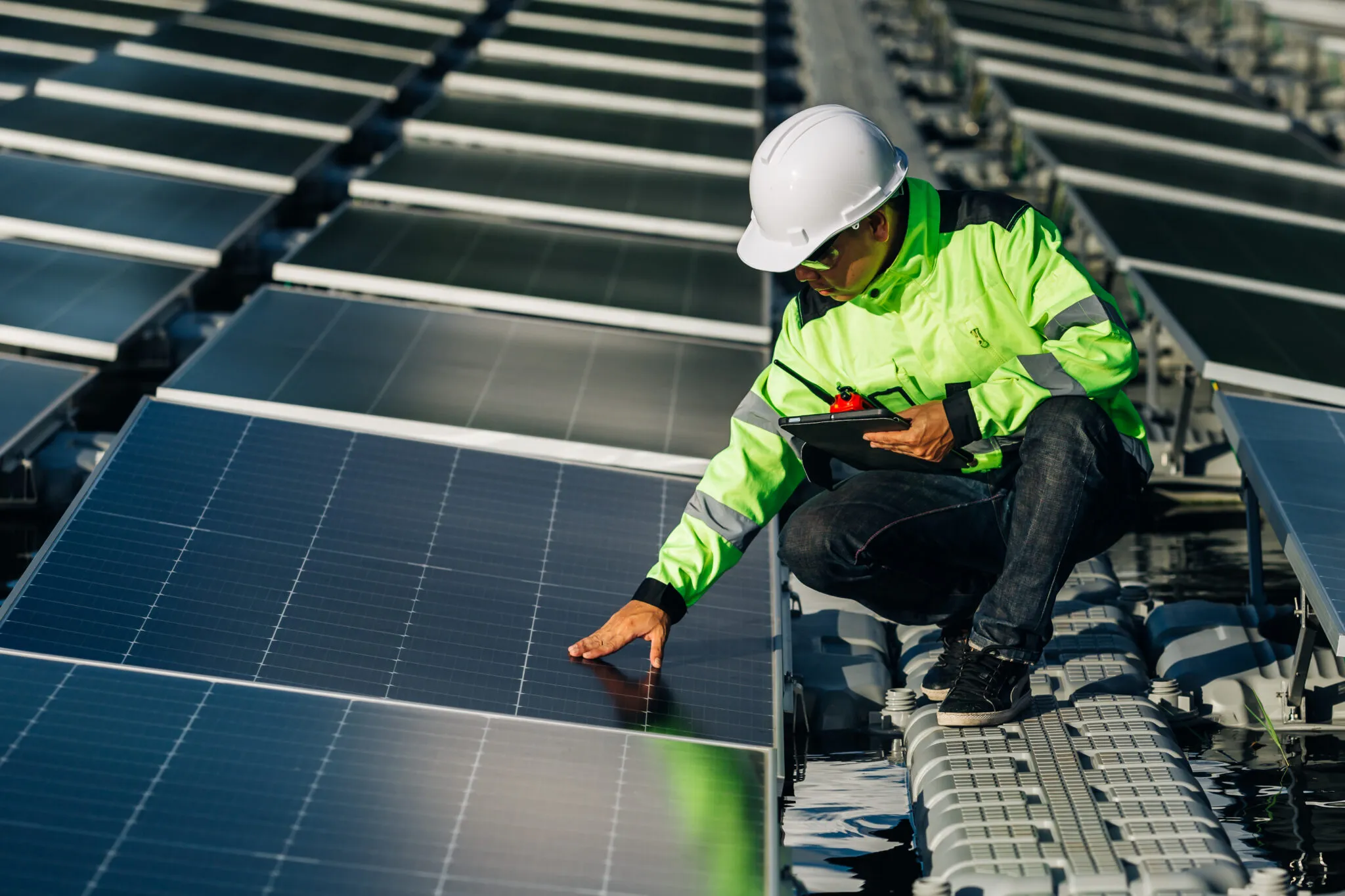

As solar energy plays an important role in sustainable development, especially in areas like the UAE, the durability of solar infrastructure is receiving more attention. Solar panels, mounts, and connectors face harsh conditions. Extreme heat, humidity, and salinity can increase the rate of corrosion. improved plating technologies helps tackle these issues by improving surface protection and conductivity, plating helps solar companies extend the lifespan of their systems and increase performance.
Accurate Edge, a UAE-based expert in plating, honing, and CNC machining, plays an important role in this change by providing high-precision plating services designed for solar applications.
How Corrosion Resistance Impacts Solar Infrastructure
Corrosion is one of the biggest challenges for solar installations. It can damage everything—from the metal frames holding up the panels to the electrical connectors that carry power. In places like coastal or desert regions, corrosion can set in quickly, leading to weak structures and poor electrical performance.
For solar companies, the consequences are serious. Rusted mounts can crack under pressure, and worn-out connectors might cause energy loss or even shut down the system. When corrosion reaches the solar panels themselves, it reduces the efficiency of the photovoltaic cells—meaning less power and more frequent replacements. Over time, these problems drive up maintenance costs and cut into profits.
Investing in corrosion-resistant solutions doesnt just protect—it ensures long-term reliability and maximising energy production efficiency.
Advanced Plating Technologies for Solar Applications
Plating is a surface treatment process that applies a thin layer of metal to a component to improve its properties. In solar setups, plating does more than just protect—it helps parts stay strong and resist wear from the environment. Whether it’s harsh sun, salty air, or dust storms, good plating keeps things working smoothly and safely. It also adds mechanical strength, so components can handle stress without breaking down.
Types of plating commonly used include:
- Electroless Nickel Plating: Offers excellent corrosion resistance and is ideal for mounting hardware exposed to the elements.
- Copper Plating : Provides good conductivity and corrosion protection, making it suitable for electrical connectors.
Benefits of solar plating include:
- Durability: Protects against oxidation, moisture, and UV exposure.
- Mechanical Strength: Reinforces structural components without adding bulk.
- Environmental Resistance: Withstands harsh climates, especially in desert and coastal regions.
We focus on plating techniques that are tailored to what solar energy companies actually need. Our process is carefully controlled to make sure the coating is even, sticks well, and meets global quality standards.
How Electroplating Enhances the Efficiency of Solar Energy Systems
Electroplating is the Main method used to improve the performance of solar components. By depositing a conductive metal layer onto surfaces, it reduces electrical resistance and enhances energy flow.
This is particularly important for the solar cell plate, where efficient electron movement is critical for converting sunlight into electricity. Electroplated surfaces also resist corrosion and wear, which helps maintain system integrity over time.
Improved conductivity leads to better energy conversion rates, reduced energy loss, and longer system life. For solar companies, this means fewer breakdowns, lower maintenance costs, and more consistent energy output.
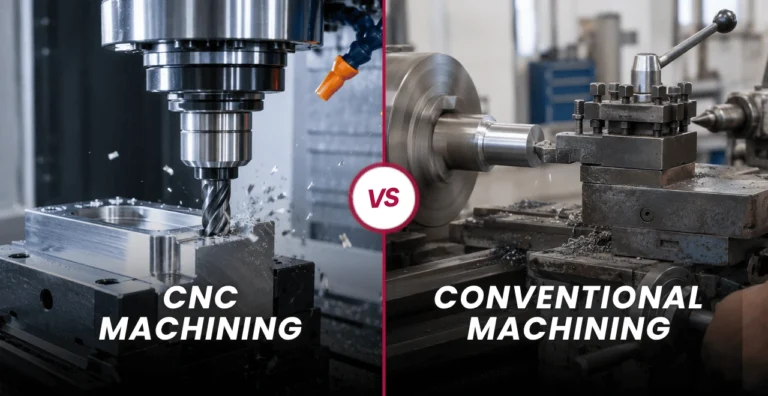
We integrate electroplating with CNC machining to produce high-precision components that meet the requirements of solar energy systems. Our plating enhances both the electrical and mechanical performance of solar infrastructure.
Improvement of Conductivity in Solar Cells
The solar cell plate is the main component of any solar panel. Its ability to conduct electricity efficiently decides how much energy the system can produce. Plating this component with high-conductivity metals, such as silver or copper, significantly improves the flow of electron.
This results in:
- Higher energy output
- Better thermal management
- Increased system reliability
Our plating solutions are engineered to optimise conductivity while maintaining the structural integrity of delicate solar components. Our expertise ensures that solar companies can achieve peak performance from their installations.
Cost-Effectiveness and Scalability of Electroplating Techniques
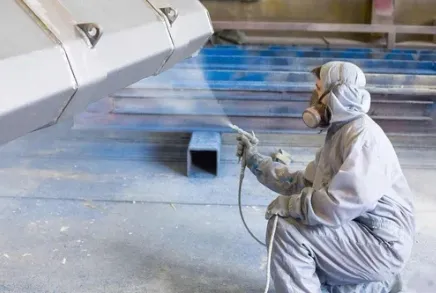
Compared to other protective methods like painting or anodizing, electroplating offers a stronger, more reliable solution. It’s built to last, improves conductivity, and works well at scale—without sacrificing performance.
For large solar projects, scalability is a big deal. Electroplating can be applied evenly across thousands of parts, making sure each one meets the same high standard. That kind of consistency is perfect for utility-scale solar farms and commercial rooftop systems where reliability matters most.
Advantages for solar power energy companies include:
- Lower Lifecycle Costs: Reduced need for replacements and repairs.
- High Throughput: Efficient processing for large volumes.
- Customizability: Tailored plating solutions for different component types.
Accurate Edge supports this scalability with automated plating lines and batch processing
capabilities. Our facility in the UAE is equipped to handle high-volume orders while maintaining strict quality control.
The Role of Solar Companies in Driving Innovation
Innovation in solar infrastructure is being driven by forward-thinking solar companies that recognise the value of advanced materials and surface treatments. By adopting plating technologies, these companies are improving system resilience and performance.
In the UAE, where solar energy is a top priority, there’s a rising need for systems that can handle tough environmental conditions—like intense heat, humidity, and dust.
By working closely with solar providers, we help create components that resist corrosion and are designed for better energy efficiency and long-term performance. It’s all about building solar infrastructure that lasts and delivers consistent results.
Conclusion
Corrosion might not be the first thing that comes to mind when thinking about solar systems, but it can quietly cause serious damage over time. From metal frames to connectors, even small signs of rust or wear can lead to bigger problems—like reduced efficiency or unexpected breakdowns.
That’s where advanced plating comes in. It helps protect the parts that matter most, keeps the electrical flow steady, and adds strength to the entire setup. Especially in harsh climates, this kind of protection makes a real difference.
In the long run, it means fewer repairs, better energy output, and a solar system that keeps working the way it should—clean, reliable, and built to last.
Frequently Asked Questions
What is solar plating, and how does it help?
Solar plating helps protect key parts from rust and wear, while also improving how well electricity flows through the system. It keeps things running smoothly and makes the setup last longer.
Why is corrosion resistance important for solar panels?
Corrosion can slowly damage solar panels, making them less efficient and shortening their lifespan. Keeping corrosion in check means more reliable energy and fewer repair costs.
How does electroplating improve solar cell performance?
Electroplating helps solar cells do their job better. It improves how electricity moves through the system, which means more energy from the same amount of sunlight—and fewer issues down the line.
What are the benefits for solar companies using advanced plating?
With advanced plating, solar companies get parts that hold up better over time, work more efficiently, and stay consistent across big projects. It’s a practical way to reduce upkeep and get more out of every system.