
As industries push the boundaries of performance, safety, and reliability, the demand for high-integrity components is skyrocketing. These components are essential in sectors where failure is not an option—such as aerospace, medical devices, energy, and defence. To meet these demands, manufacturers are turning to precision machining, a process that enables the production of complex parts with accuracy and consistency.
This blog explores how precision machining and precision machines are shaping the future of high-integrity manufacturing, driving innovation, and enhancing manufacturing safety across critical industries.
What Are High-Integrity Components?
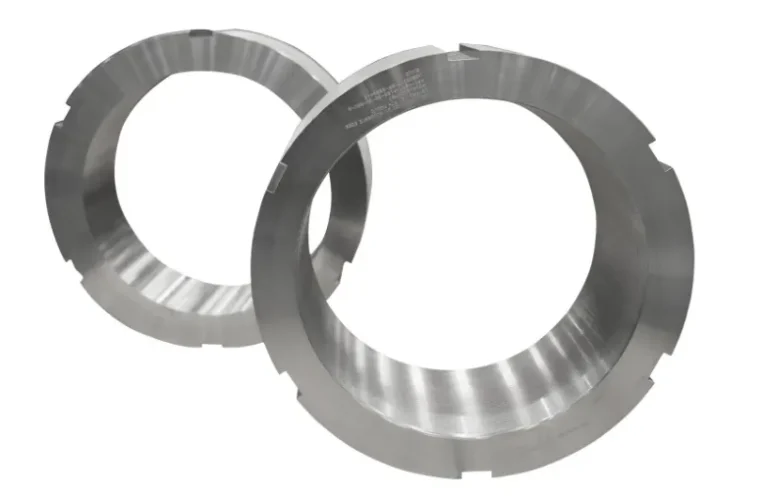
High-integrity components are parts designed and manufactured to perform reliably under extreme conditions. They are typically used in applications where safety, durability, and performance are of paramount importance. These components must meet strict quality standards and undergo rigorous testing to ensure they can withstand high stress, pressure, or temperature without failure.
In industries like aerospace, oil & gas, and medical technology, the failure of a single component can have catastrophic consequences. That’s why the production of high-integrity components requires not only advanced materials but also manufacturing processes that guarantee precision and repeatability.
The Importance of Precision in Modern Manufacturing
Modern day manufacturing is not just about mass production of goods anymore, it’s about creating components that are smarter, safer, and more efficient. Modern product designs are becoming more complex and tolerances tighter, traditional methods often fall short. This is where precision machining comes into play.
precision machines deliver micron-level accuracy, ensuring every part meets exact specifications. This control is vital for making high-integrity components that perform flawlessly in critical environments.
How Precision Machining Supports Innovation
Quick, accurate, and cost-effective—innovation in manufacturing comes from turning complex ideas into real, workable components., and at a fair cost. Precision machining plays a critical role in this process by allowing the production of intricate parts with tight tolerances and consistent quality.
With advanced precision machines, new designs can be quickly prototyped and tested in real-world conditions. This speeds up product development and helps companies launch faster. Whether it’s an aerospace part or a next-gen medical device, precision machining makes sure innovation isn’t held back by manufacturing limits.
Ensuring Manufacturing Safety Through Precision
In industries where safety is very critical, there’s close to no room for mistakes. That’s why precision machining matters. It’s not just about performance, rather it’s about keeping manufacturing safe.
By producing accurate, high-quality parts, it lowers the risk of failures. Automated checks and real-time monitoring give manufacturers extra confidence by catching errors early. These systems constantly track production, making sure every part meets strict safety and compliance standards before it leaves the factory.
Moreover, precision machines help eliminate variability in production, reducing the chance of defects and reducing the need for manual intervention. This not only improves safety but also boosts overall operational reliability.
Industrial Applications of High-Integrity Components
High-integrity components are made specially for situations where failure could have serious consequences and there is close to no room for errors.
Aerospace industry:
Airplanes operate in tough conditions, extreme temperatures, high pressure, and constant stress. These components make sure aircraft stay safe and dependable during critical phases like takeoff, landing, and turbulence.
Medical Industry
In healthcare, precision is very important. These components are used in surgical instruments, implants, and diagnostic devices, where even the smallest error can have serious consequences. They must be accurate, reliable, and completely safe for the human body. From complex surgeries to routine procedures, these parts help doctors work with confidence and ensure patients get the best possible care.
Energy (Oil & Gas) Industry
Equipment in this field operates in tough conditions. It faces corrosive chemicals and heavy pressure. High-integrity components keep pipelines, drilling tools, and turbines strong and reliable. This helps prevent breakdowns and reduces costly downtime.
Conclusion
As demand for high-integrity components grows, precision machining becomes more important than ever. It helps manufacturers innovate confidently, meet strict standards, and keep production safe.
At Accurate Edge, we’re committed to delivering precision-engineered solutions. With advanced machines and skilled experts, we create parts that meet the toughest quality requirements for industries that can’t compromise on safety or performance.
Frequently Asked Questions
1. What are high-integrity components?
High-integrity components are parts used in systems and insdustries where failure simply isn’t an option. They’re engineered to meet tough standards for strength, durability, and reliability because even the smallest flaw could lead to serious consequences.
2. How does precision machining improve manufacturing safety?
Precision machining makes sure every part is produced exactly as designed, leaving little room for error. By reducing defects and inconsistencies, it helps prevent failures and keeps manufacturing processes safe—especially in industries that demand strict compliance.
3. What industries rely on precision machines?
You’ll find precision machines at the heart of aerospace, medical, automotive, and energy sectors. These industries depend on them to create complex parts with high tolerances, ensuring better performance and safety under any demanding conditions that may appear
.
4. Why is precision machining essential for innovation?
Precision machining enables the rapid prototyping and accurate production of complex designs, helping manufacturers innovate more quickly and bring high-quality products to market with confidence.