
In precision manufacturing CNC machining is a cornerstone technology particularly for high-integrity parts essential to aerospace, medical, automotive, Oil and Gas and power generation markets. Such parts require superior accuracy, high-surface quality and uncompromising material integrity to guarantee safety, performance and durability. Meeting these demands involves overcoming several intricate challenges across design, process control, tooling and also quality assurance.
This blog discusses the distinctive intricacies of CNC machining high-integrity parts including the critical factors that influence successful outcomes.
What are High-Integrity Components?
High-integrity components are differentiated from typical machined parts by their very tight dimensional tolerances, high requirements for the material and demanding surface finish requirements. They often have complex geometries like deep curves, thin walls and small internal radii and are generally made of hard to machine materials like titanium alloys, superalloys and also specialty ceramics.
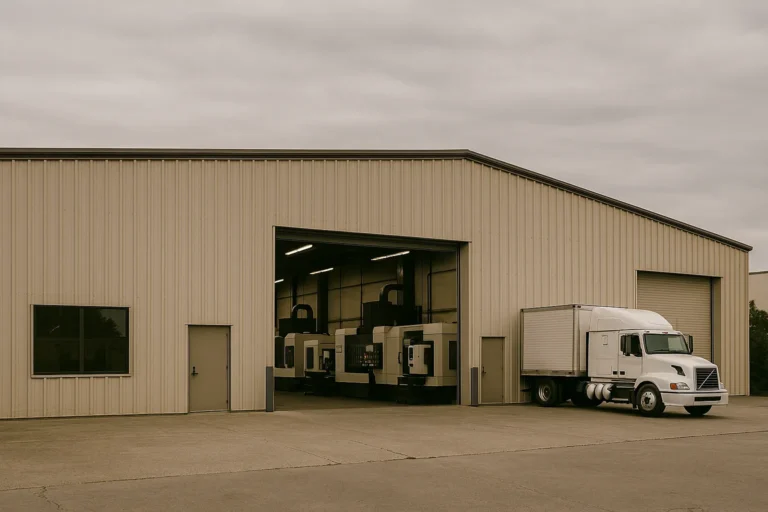
The central challenge is to precisely manage the CNC cutting process to create flawless parts without distortion, tool marks or even residual stresses that can degrade performance under harsh operating conditions. Producers who are dependent upon a capable CNC machine shop appreciate the importance of striking a delicate balance between precision and efficiency, frequently considering the CNC machine cost to invest in sophisticated equipment that overcomes these challenges.
How to Excel at the Machining Challenges of High-Integrity Parts
Below are key points for excelling at the tough aspects of CNC machining of robust and accurate parts for critical industries.
Designing for Machinability Without Sacrifice
Design is crucial, as decisions made early on significantly impact machinability as well as component integrity overall.
- Feature Geometry & Tool Access: Designers should make sure that internal corners are provided with radii greater than the cutting tool to avoid deflection and excessive wear. Tool path accessibility is a major requirement for effective CNC cutting.
- Wall Thickness: Thin walls improve the likelihood of vibration and deformation. Using the right thickness or providing support ribs can be beneficial in improving rigidity and machining stability.
- Threading and Hole Design: Holes, particularly threaded holes, must provide allowances for tool geometry and machining processes. Blind hole bases’ relief features minimize the stress on cutting tools.
Complex CAD/CAM programs are critical in this case by modelling tool paths and anticipating possible collisions, allowing manufacturability problems to be solved early on in CNC manufacturing.
Precision Setup and Cutting Strategy: The Foundation of Quality
High-integrity machining calls for meticulous control of all cutting parameters:
- Spindle Speeds and Cutting Rates: Varies from a few hundred to thousands of RPM depending on the material. Slow speeds about 30-60 m/min cutting speed are needed for hard alloys like Inconel in order to prevent thermal damage and tool wear.
- Feed Rates & Depth of Cut: Very slow feed rates and small cuts maintain finish surface and hold tight tolerances.
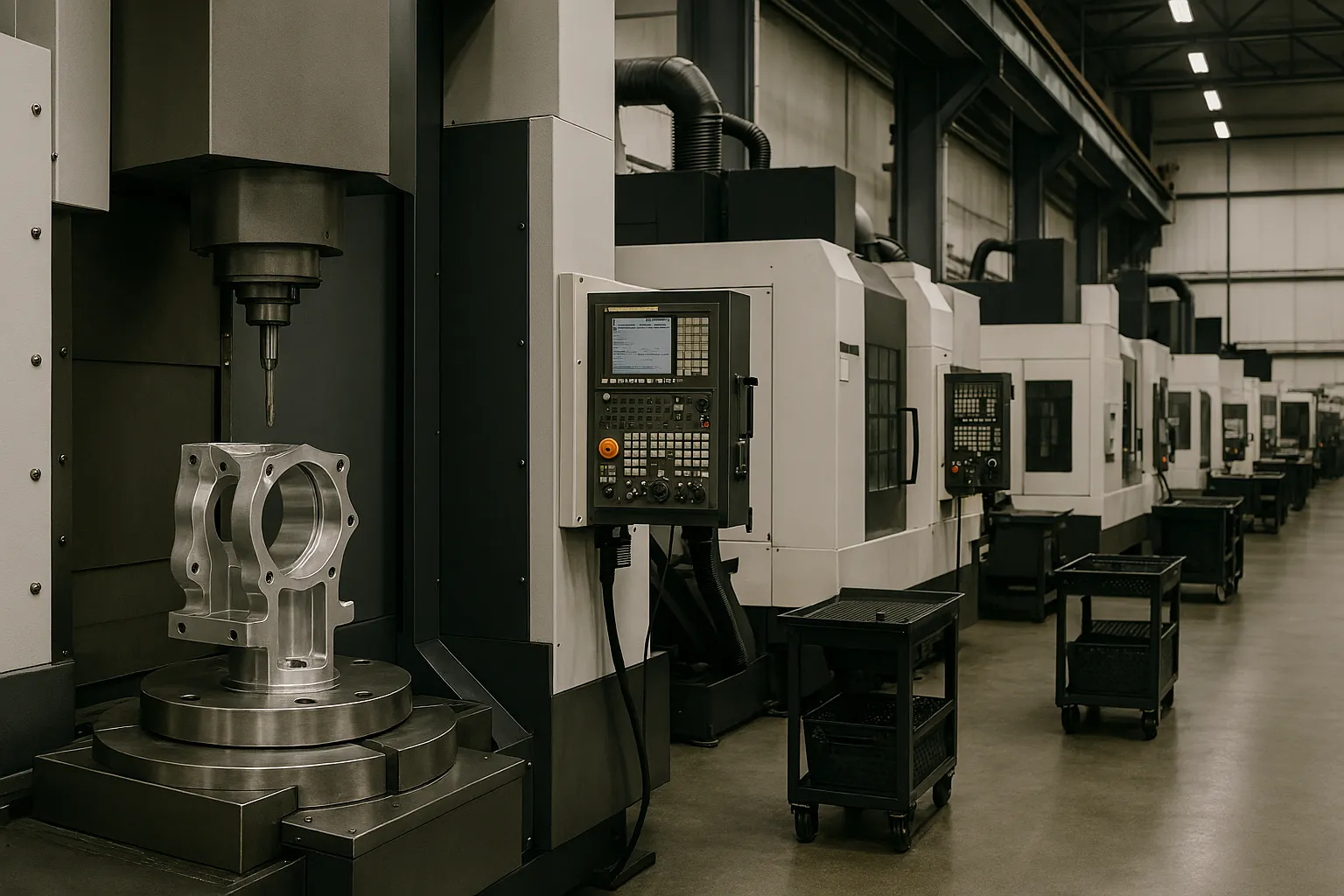
- Multi-Axis Machining: Using 5-axis or higher CNC machining minimizes setups thereby keeping cumulative errors low and ensuring greater accuracy in CNC manufacturing.
- Advanced Cooling: High-pressure coolant or cryogenic systems assist in controlling thermal expansion, avoiding heat distortion and ensuring dimensional stability.
Selecting the appropriate CNC machine is often based on the CNC machine cost and the particular requirements of the parts to be manufactured.
Tooling and Work holding: Accuracy in Every Touch
The selection of work holding and tooling techniques has a direct effect on component integrity:
- Tool Materials and Coatings: Carbide tools and ceramic cutters give wear resistance and heat tolerance needed for hard materials like superalloys and titanium.
- Tool Wear Management: Constant monitoring and compensation for tool deflection and wear guarantees consistent dimensional accuracy throughout production.
- Fixture Design: Modular fixtures on vacuum or magnetic chucks reduce distortion of the part and support sensitive geometries safely. Quick-change capabilities allow multi-orientation machining without compromising on tolerance control.
Dependable CNC services depend on these accurate tooling and fixturing methods to produce quality parts time and again.
Real-Time Adaptation and Process Control
CNC machining mastery today means intelligent, adaptive technologies:
- Sensor Feedback: Feedback from vibration sensors, thermal sensors and also tool wear sensors allows for dynamic real time adjustments of feed rates and spindle speeds to meet peak CNC cutting conditions.
- AI and Predictive Analytics: Predictive analytics employs machine learning to forecast process drift and adjust parameters itself thus minimizing scrap and rework.
- Vibration and Chatter Control: Equipment and spindle stability systems restrict destructive oscillations that adversely affect surface finish and accuracy.
Rigorous Quality Assurance
High-integrity part quality assurance are robust and comprehensive:
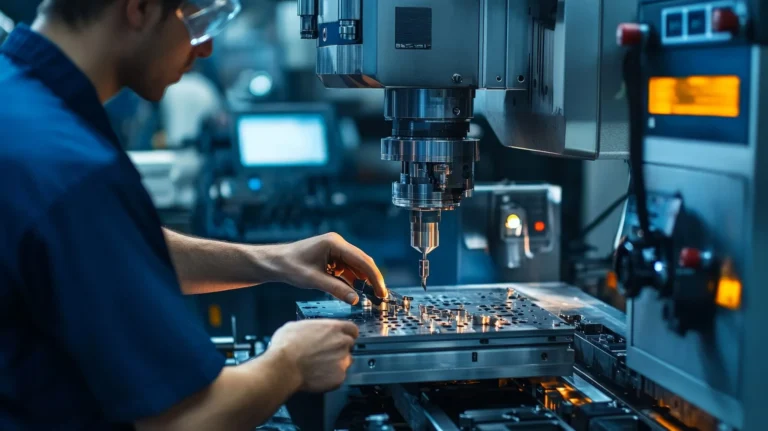
- In-Process Inspection: Optical metrology and laser scanning embedded in machining centres check for dimensional conformance in real time enabling quick correction.
- Coordinate Measuring Machines (CMM): After machining, tactile as well as optical CMMs double check part dimensions with micron accuracy against CAD models.
- Statistical Process Control (SPC): Continuous monitoring of measurement data identifies trends and also avoids process drift.
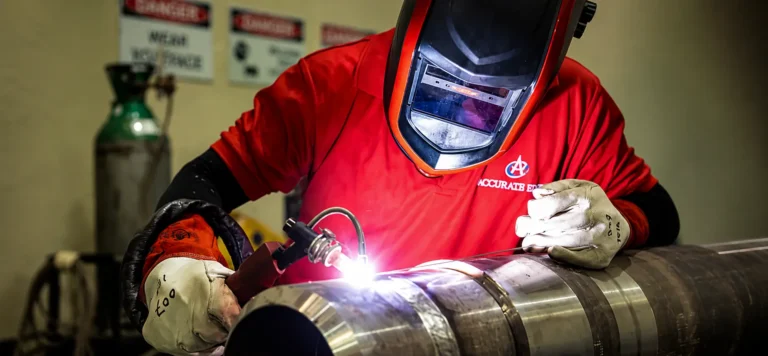
- Non-Destructive Testing (NDT): Ultrasonic, dye penetrant and other NDT techniques provide material integrity without destroying the part, achieving certifications like AS9100 and Nadcap.
Leading CNC machine shops make significant investments in such quality assurance procedures as part of their CNC services offering.
Material-Specific Machining Strategies
Various materials demand customized approaches:
- Nickel-Based Superalloys (Inconel): Need lower speeds and coated specialized tools to avoid high-speed tool wear while maintaining dimensional control.
- Titanium: Takes advantage of cryogenic cooling and controlled feed adjustments to reduce thermal distortion and surface wear.
- Ceramics: Requires diamond or cubic boron nitride tooling and low feed to prevent micro-cracking, frequently followed by EDM for completion of finishing.
Conclusion
CNC machining of high-integrity parts requires skilled integration of design, process control, tooling and quality control. Success hinges on careful attention to detail from rigorous tool path simulation to real-time error adjustment. At Accurate Edge, we utilize the latest CNC manufacturing technologies and extensive process knowledge to consistently provide parts that achieve the highest levels of performance, safety and also reliability. With relentless focus on innovation and strict process discipline every component functions perfectly in the harshest environments. Trust Accurate Edge for superior CNC services as well as control over the intricacies of high-integrity CNC machining.
Frequently Asked Questions
1. What makes CNC machining ideal for high-integrity components?
CNC machining ensures exceptional precision, repeatability, and tight tolerance control which is critical for aerospace, medical, and energy components. Its computer-controlled accuracy, multi-axis capabilities, and advanced tooling enable consistent quality, flawless surfaces, and structural integrity, even when working with difficult materials like titanium and superalloys.
2. How do CNC services maintain accuracy during complex machining?
CNC services maintain accuracy using advanced CAD/CAM programming, real-time sensor feedback, and adaptive process control. These systems monitor tool wear, vibration, and temperature, allowing automatic parameter adjustments that ensure consistent quality, tight tolerances, and superior surface finishes throughout CNC cutting and manufacturing operations.
3. Why is quality assurance critical in CNC manufacturing?
Quality assurance ensures each machined part meets strict safety and performance standards. Through in-process inspection, CMM verification, and non-destructive testing, CNC machine shops verify precision, detect defects early, and guarantee compliance with certifications like AS9100 which is essential for high-integrity, safety-critical applications.