
In aerospace, medical, defense, automotive and oil and gas applications, accuracy is not only necessary but downright vital. These sectors require machined components that are ultra-precise and totally reliable. Routine manufacturing techniques simply aren’t up to the task when you require complex geometry and super-close tolerances.
This blog explains how custom machining solutions, skilled capabilities, quality assurance and material selection satisfy the stringent requirements of high-reliability industries.
Why Custom Machining Matters
Custom machining is how machined parts are produced to specifications specifically for applications with specialized manufacturing equipment. In aerospace or medical sectors, even slight microscopic variations in parts can lead to disastrous failure as well as time consuming delays and safety risks.
With custom machining solutions, manufacturers guarantee each component conforms to precise standards, allowing them to produce durable CNC parts and other machined parts that function under severe conditions.
Precision Machining Technologies in Custom Machining
Custom machining encompasses a range of manufacturing machinery and technologies each serving a different purpose in the production of high-precision parts:
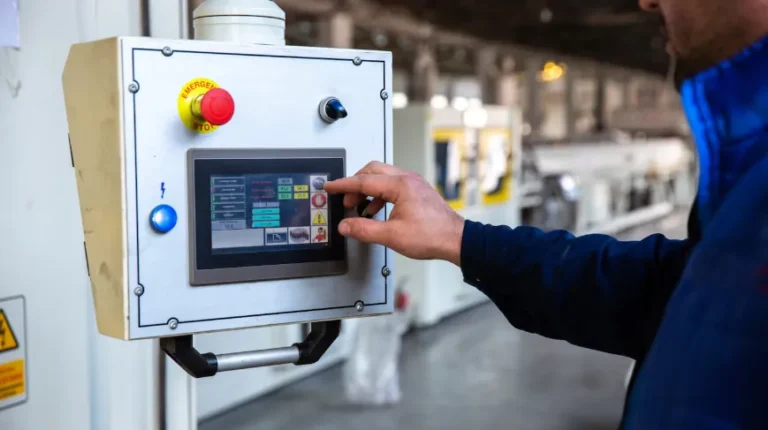
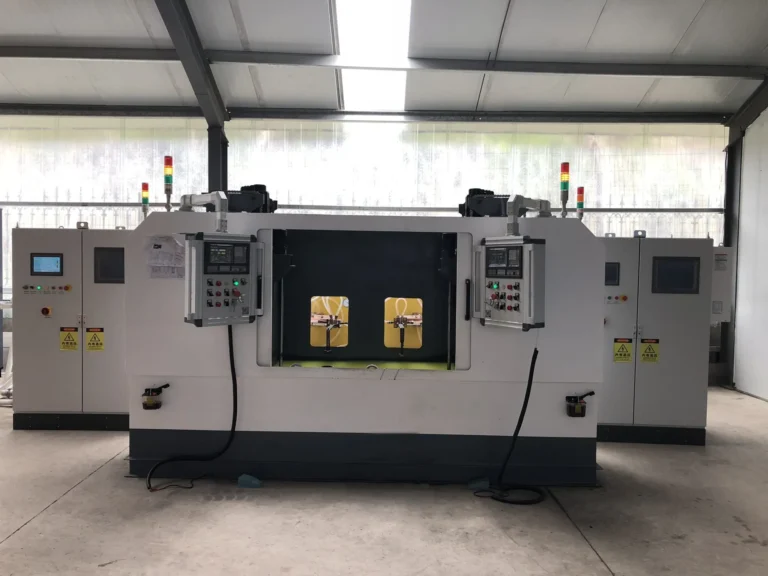
- CNC Machining: Computer Numerical Control (CNC) machines form the backbone of precision manufacturing. They mill, turn and drill automatically with unparalleled accuracy which is oftentimes achieving tolerances as small as ±0.0001 inches. These CNC components are the backbone in aerospace engines, medical implants and defense components where consistency and precision cannot be compromised.
- Wire EDM (Electrical Discharge Machining): It involves the use of a charged wire to precision cut complex and slender parts that may be damaged by regular machining. Wire EDM is ideal for intricate internal geometries and close tolerance features.
- 3D Printing & Additive Manufacturing: These methods supplement subtractive machining by quickly creating prototypes or parts with complex internal structures. Additive manufacturing broadens the scope of material utilization and customization.
- Laser and Water Jet Cutting: Both techniques have precision cutting capabilities. Laser cutting is best with thin pieces that need speed and accuracy while water jet cutting can handle thick or heat sensitive pieces without warping.
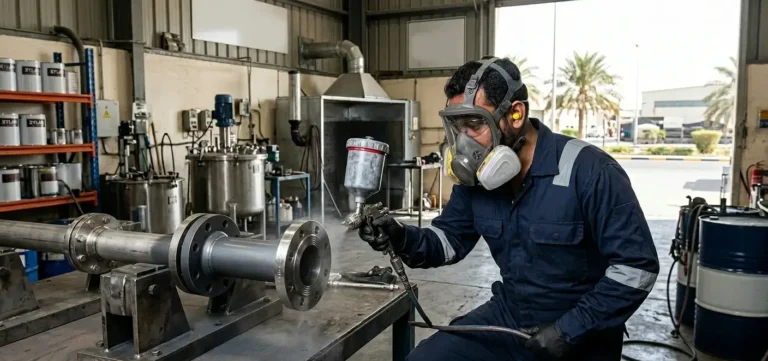
- Advanced Surface Finishing: Post machining processes like anodizing, plating or ceramic coating improve wear resistance and corrosion protection. These are important for machined parts subject to severe environments like oil rigs or airplane engines.
How Human Skills Power Machining Solutions
Though technology plays an important role, trained engineers and machinists are the actual heroes in creating every flawless machined component. They select the correct manufacturing equipment, tools and machining methods to satisfy exact requirements thereby minimizing mistakes and assuring the final product’s quality.
Current CAD/CAM software also assumes an important role, enabling designers to easily move from 3D models to CNC part programming. Such software mimics the machining process which helps avoid errors and allows for quick iteration to refine CNC parts before production.
How Inspection and Testing Ensure Quality
Critical industries require strict quality control. By means of coordinate measuring machines (CMM), laser scanners and micrometers, manufacturers inspect machined parts to micron level accuracy. Non-destructive testing and surface finish analysis test for structural integrity and safety.
This strict quality assurance gives each machined part assurance of meeting the most stringent tolerances, providing industries with the assurance necessary for high risk applications.
Why Material Selection Is Critical for Performance and Durability
The selection of material has a great influence on the performance of a part and its machinability. Experienced machinists choose materials such as aerospace-grade titanium alloys, corrosion-resistant stainless steel, superalloys or advanced engineering plastics in accordance with thermal, mechanical and chemical requirements.
Surface treatments complement performance further by increasing friction resistance, fatigue life and corrosion protection that’s important for parts performing in aggressive environments.
Prototyping and Iteration in Machining Solutions
Custom machining facilitates the rapid prototyping that enables the early testing and validation of machined components. This process reduces expensive errors and rework in the subsequent production phase.
Through prototyping, engineers can make adjustments to dimensions as well as materials and tolerances thus optimizing CNC parts until they satisfy all functionality and safety criteria.
Overcoming Challenges in Precision Machining
Machining intricate parts with ultra tight tolerances is fraught with challenges like complex geometries and balancing time as well as cost and quality. But improvements in multi-axis manufacturing machines and hybrid machining solutions make possible the machining of parts with complex shapes and internal features.
Optimized tool path, automation and the use of additive manufacturing alongside conventional machining minimize waste and accelerate delivery while not affecting quality.
Conclusion
Specialized machining solutions are absolutely important for manufacturing precision machined components that satisfy the stringent requirements of aerospace, healthcare, defense, automotive and oil and gas industries. At Accurate Edge, we integrate advanced manufacturing equipment, skilled human capabilities, rigorous quality control and thorough material expertise to provide parts that ensure safety, reliability and maximum performance.
With advancing manufacturing technology Accurate Edge leads the way helping to produce highly intricate, ultra-accurate CNC components. This advances the limits of innovation and stimulates development in key markets around the globe.
Frequently Asked Questions
1. What are custom machining solutions?
Custom machining solutions involve producing machined parts tailored to exact specifications using advanced CNC parts and manufacturing machines. These processes ensure extreme precision, reliability, and performance for industries like aerospace, medical, and defense where standard components cannot meet the tight tolerances and unique design requirements.
2. How do machining solutions ensure high-quality precision parts?
Precision and quality are ensured through advanced CNC machining, skilled machinists, and strict inspection using tools like CMM and laser scanners. Every machined part undergoes quality checks, guaranteeing that critical industries receive durable, defect-free components meeting exact specifications and performance standards.
3. Why is material selection crucial in custom machining?
Material selection impacts durability, performance, and machinability. Machinists choose titanium, stainless steel, or engineering plastics based on the application. The right material combined with custom machining solutions ensures CNC parts maintain strength, corrosion resistance, and dimensional accuracy in extreme industrial environments.