

In high-end, regulated manufacturing environments, quality cannot be compromised. For industries that rely on high-accuracy components, maintaining consistency, traceability, and compliance at peak levels throughout every stage of production is an absolute requirement.
That’s why quality control matters in the precision part manufacturing for components used in safety-critical applications. Whether it’s an aerospace system or a medical device, manufacturers depend on structured quality operations for reliability, performance, and prolonged safety.
The integration of machine tools with robust quality assurance and control systems enables precision machining to meet strict regulatory and functional requirements without risk or compromise. Let’s highlight more reasons for the importance of quality control in precision machining.
Why Quality Control Is Critical in Precision Machining?
Typically, the quality control in precision machining is a systematic approach that includes inspection, measurement and verification of all machine components. It’s done to ensure that they all meet the specific design and tolerance needs for precise performance.
In fact, the core aspect that provides quality assurance and control is ensuring that each manufactured gear alignment adheres to standards and requirements before reaching the market.
In CNC environments, quality control focuses on:
- Dimensional accuracy
- Surface finish
- Material compliance
- Consistency across production batches
The Role of Quality Control in Safety & Reliability
The effectiveness of quality control directly influences;
- Failure prevention in critical components
- Consistent performance under operational stress
- Compliance with industry and regulatory standards
Machine Tools and Their Role in Precision Manufacturing Quality
What Are Machine Tools in Precision Machining?
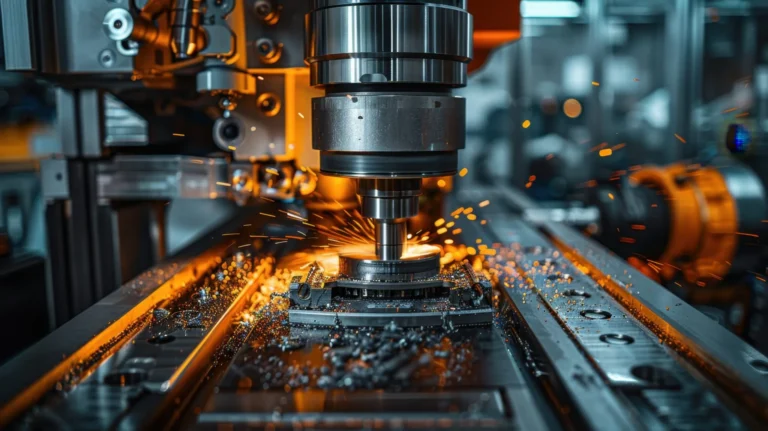
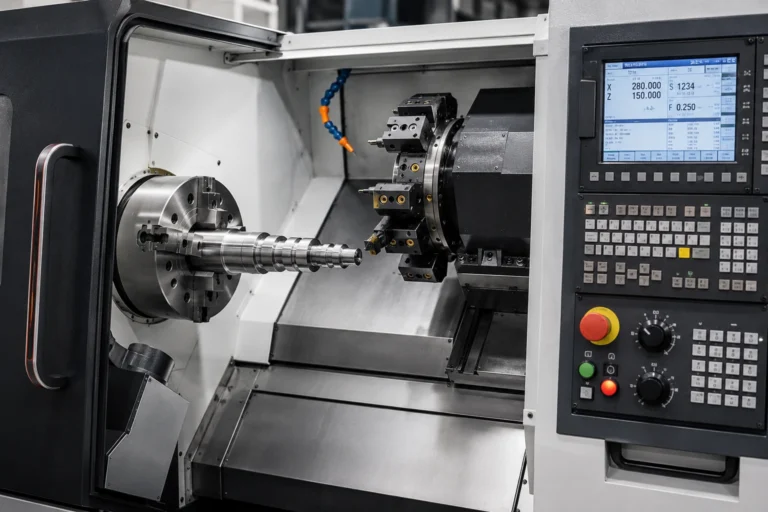
In machine operations, machine tools are the main equipment used for shaping, cutting, and finishing components. Such tools in precision machining include CNC lathes, milling machines, and grinding tools, specifically designed to deliver high accuracy and repeatable operations.
The advanced machine tools ensure improved controlled material removal within maintained tight tolerance limits.
How Machine Tool Accuracy Impacts Final Part Quality?
The accuracy of machine tools directly influences part quality through:
- Proper calibration and alignment
- Monitoring of tool wear
- Consistent repeatability across machining cycles
Quality Assurance and Control Processes in Precision Machining
Difference Between Quality Assurance and Quality Control
Mostly used together but serve different purposes;
- Quality assurance and control keep focus on preventing defects within structured workflows and strict standards.
- Quality content focuses on precise inspection & verification of the finished machine or component.
Standard Quality Control Procedures in Precision Part Manufacturing
The effective quality systems within precision part manufacturing include;
Incoming Material Inspection
Precise verification of material grade, certification, and compliance checks before machining begins.
In-Process Quality Checks
That comes within dimensional and visual check-ins during machining to detect deviations as early as possible.
Final Inspection & Validation
This includes comprehensive inspection and testing before the product launches in the market.
Documentation & Traceability
That’s followed up with recorded inspection data, reliability on material quality checks, process documentation, all for compliance and audits.
Ensuring Quality in Aerospace Precision Machining
Why Aerospace Precision Machining Requires Zero-Defect Standards?
Aerospace precision machining ensures components that are widely used within in-flight systems, where a single deviation or failure isn’t acceptable. The components need to meet regulatory and stringent safety requirements—often tested under extreme operating conditions.
Quality control ensures:
- Structural integrity
- Dimensional consistency
- Compliance with aerospace regulations
Quality Standards Followed in Aerospace Machining
- Aerospace manufacturing relies on:
- AS9100 quality management systems
- ISO-certified processes
- Full traceability and documented inspection
These standards ensure safety, reliability, and accountability throughout the production lifecycle.
Quality Control in Medical CNC Machining
Why Is Quality Non-Negotiable in Medical CNC Machining?
In medical CNC machining, stringent quality checks cannot be compromised, as it’s all about patients’ safety and device performance. The medical components need to be high-quality, with features and functionality that meet or exceed industry standards.
Medical Machining Quality Requirements
Key quality considerations include:
- Tight Tolerances & Surface Finish
- Material Compliance
- Cleanroom & Inspection Protocols
Precision Part Manufacturing and Inspection Technologies
Advanced Inspection Tools Used in Precision Manufacturing
Typically, the advanced precision manufacturing process facilities within modern inspection technologies include;
- Coordinate Measuring Machines (CMM)
- Optical measurement systems
- Surface roughness and profile testers
Role of Automation in Quality Control
Automation enhances quality control in precision machining by:
- Reducing human error
- Improving inspection consistency
- Enabling real-time quality monitoring
The integration of an automated inspection system provides reliability and scalability for high-volume, complex production.
How Quality Control Improves Reliability and Product Lifespan?
- Reduced Failure Rates
- Improved Performance Consistency
- Long-Term Cost Efficiency
Industries That Depend on High-Quality Precision Machining
- Aerospace & Defence
- Medical & Healthcare
- Automotive & Industrial Manufacturing
- Electronics & High-Tech Equipment
Choosing a Precision Machining Partner with Strong Quality Control
Certifications & Compliance
The certified quality system is an assured commitment to safety, quality and performance which meets strict standards.
Advanced Machine Tools & Inspection
Modern machines need components that are reliable, accurate, and high-end in every way.
Proven Industry Experience
Experience in regulated sectors ensures reliable and compliant manufacturing outcomes.
Conclusion: Quality Control as the Foundation of Safe and Reliable Precision Manufacturing
When it comes to machinery and components, quality control cannot be missed or compromised. It’s, in fact, the backbone of sectors that keep safety, reliability, and performance as priorities. Quality control inspections do complement manufacturing, where structured quality systems and safety cannot be negotiated.
Manufacturers combining modern machine tools, strict quality assurance and control, and industry-specific compliance deliver precise results even in the most demanding applications. Strict quality control isn’t just a process that can be normalised; in reality, it’s a trusted foundation of modern precision part manufacturing.
Frequently Asked Questions
1.Why is quality control important in precision machining?
Quality control ensures dimensional accuracy, safety, and reliability, especially in regulated industries where component failure is unacceptable.
2.What standards are followed in aerospace precision machining?
Aerospace precision machining follows AS9100 and ISO standards, as well as strict traceability and inspection protocols.
3.How is quality ensured in medical CNC machining?
Medical CNC machining relies on tight tolerance control, material certification, clean inspection environments, and documented quality processes.
4.What role do machine tools play in quality manufacturing?
Accurate machine tools ensure consistent machining results, directly influencing final part quality and repeatability.
5.How does quality assurance improve precision part manufacturing?
Structured quality assurance and control processes prevent defects, ensure compliance, and support consistent high-quality production.